
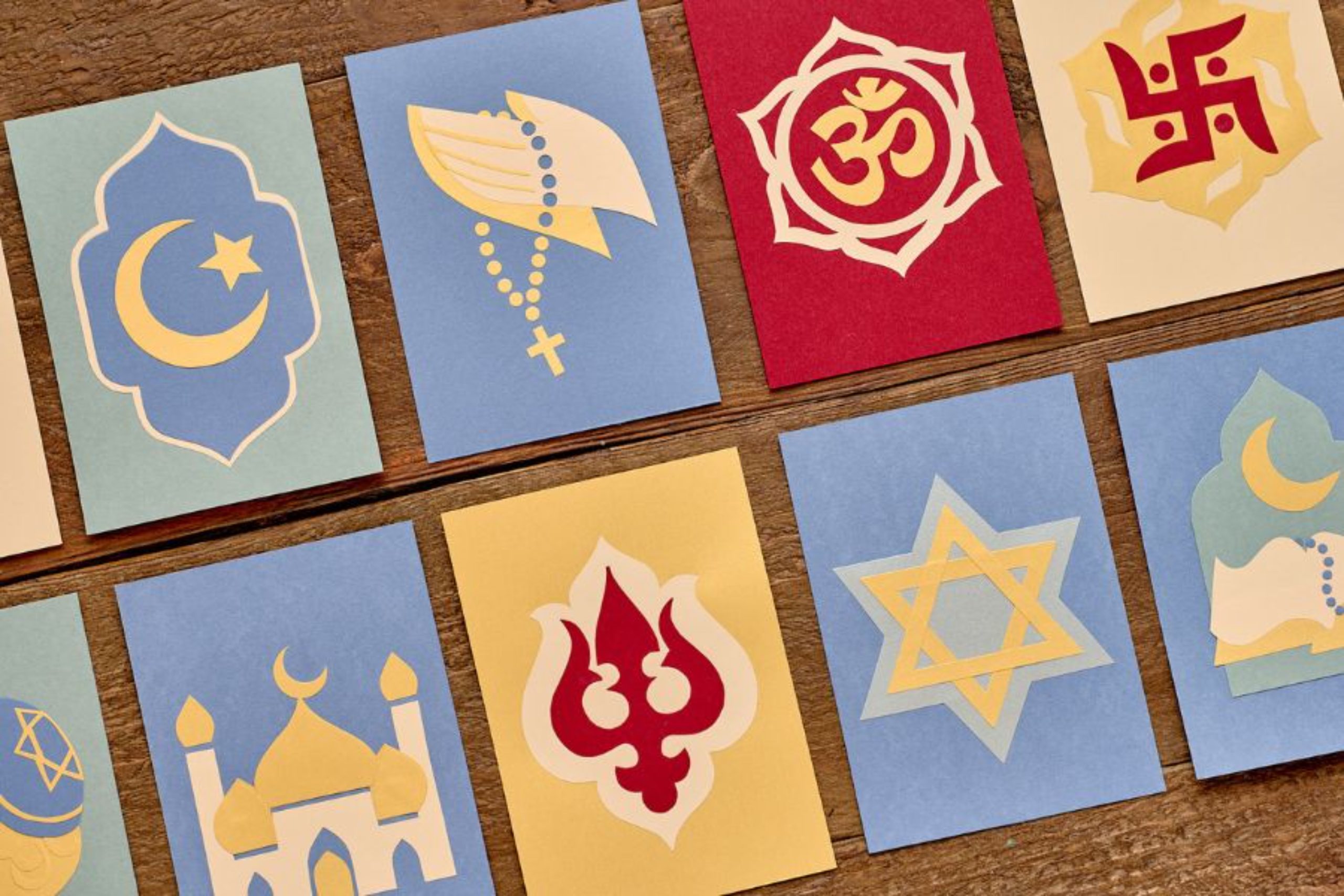
Parenting arrangements after separation can be complex, especially when parents come from different cultural or religious backgrounds.
Courts in Australia must consider many factors when making decisions about children, and cultural issues in family law are an important part of that process.
While the best interests of the child remain the guiding principle, parents often want their culture and faith to continue shaping their child’s upbringing.
Understanding how courts approach these matters can help families prepare for discussions and decisions about what is right for their children.
What Role Do Cultural Issues In Family Law Play When Determining Parenting Arrangements In Australia?
*Cultural issues in family law* play a role whenever a child’s background or heritage may affect their sense of identity, belonging, or development.
The court looks at whether the child has connections to a particular cultural group, whether that is through language, traditions, or extended family support.
For example, a child might be part of an Aboriginal or Torres Strait Islander community, or they may have ties to a migrant culture with strong values around family life.
These considerations are not treated in isolation. The court does not give automatic preference to one culture over another, but instead asks: How will this culture support the child’s wellbeing?
Judges may take into account the ability of each parent to encourage the child’s cultural ties and whether exposure to certain traditions benefits the child’s overall growth.
It is important to understand that cultural issues in family law are always weighed alongside the child’s safety, education, and emotional stability.
The court’s responsibility is not to preserve culture at all costs, but to ensure it plays a positive role in the child’s future.
How Do Australian Courts Balance Religious Beliefs With The Best Interests Of The Child?
Religion can be deeply personal for families, and disagreements about faith often surface after separation. Courts respect a parent’s right to practice their religion, but the focus remains on the child’s welfare.
If a parent wishes for the child to attend religious services or follow certain practices, the court will examine whether those practices align with the child’s best interests.
Sometimes, one parent may follow one faith and the other parent another. In these cases, the court often allows the child to experience both, provided it does not cause harm or confusion.
Judges generally encourage a balanced approach where the child is not pressured to choose one parent’s beliefs over the other.
In rare cases, if religious practices risk the child’s health or wellbeing, the court may limit how those practices are introduced.
However, the aim is usually to allow the child to benefit from both parents’ values where possible.
This balance ensures that religious differences do not overshadow the guiding principle: what arrangement will best support the child’s overall development.
Can Cultural Traditions Influence Parenting Time Or Decision-Making Responsibilities?
Yes, cultural traditions can influence parenting time and responsibilities, but only where they directly relate to the child’s needs. For example, if a child has been raised speaking a language at home, the court may encourage continued exposure to that language during parenting time. Similarly, if certain cultural festivals or ceremonies are important for the child’s identity, the court may arrange parenting schedules so the child can attend.
Decision-making responsibilities may also reflect cultural traditions. For instance, one parent might be given responsibility for teaching the child about a particular faith or custom if they have been the parent who has consistently done so. However, this does not override the involvement of the other parent. Courts prefer shared decision-making, unless there are strong reasons for one parent to take the lead.
Overall, the court’s approach is practical. Traditions are recognised where they enrich the child’s life, but they are not used to exclude one parent from meaningful time with the child.
Read also: Steps Involved in the Property Settlement Process with Lawyers in Ipswich
How Do Judges Approach Disputes Where Parents Hold Different Cultural Or Religious Values?
When parents disagree about cultural or religious upbringing, judges carefully review the details of the case. The focus is not on which culture or religion is “better,” but on what arrangement best supports the child’s wellbeing.
Judges listen to both parents’ views and often consider expert reports, especially where cultural identity plays a significant role in the child’s development.
Judges may encourage compromise. For example, one parent might take the child to church services, while the other ensures the child participates in cultural festivals.
If both parents show respect for each other’s traditions, the child is more likely to benefit from the exposure to both.
In more complex disputes, the court may order specific conditions.
This could include requiring that the child not be forced into practices they find distressing, or that parents refrain from criticising each other’s beliefs in front of the child.
These safeguards are designed to protect the child from conflict while preserving positive cultural and religious influences.
What Should Parents Consider When Raising Cultural Issues In Family Law Proceedings?
Parents who wish to raise cultural or religious matters should consider how these issues affect their child’s day-to-day life. It is helpful to show how traditions provide stability, comfort, or identity for the child.
Evidence such as family involvement, school participation in cultural activities, or the child’s own expressed wishes can support these arguments.
Parents should also be realistic. Courts rarely grant one parent sole authority over cultural or religious matters unless there are safety concerns.
Demonstrating a willingness to share and cooperate often strengthens a parent’s case. Judges value parents who put aside personal disputes in order to encourage the child’s relationship with both cultures or faiths.
It is also important to remember that cultural issues in family law are not secondary or optional. Courts take them seriously, especially where they form a central part of the child’s identity.
However, parents must present these issues in a way that shows how they directly support the child’s best interests.
Building A Child’s Future With Respect For Culture And Faith
Family law in Australia recognises that culture and religion can be vital to a child’s sense of self. Courts strive to respect these elements while keeping the focus on the child’s safety, wellbeing, and development.
Parents who approach these matters with openness and cooperation give their children the best chance of benefiting from the richness of both family traditions.
Need Trusted Guidance For Your Parenting Matter?
Do you feel uncertain about how culture or religion may affect your parenting arrangements?
At Ipswich Family Lawyers, we understand the sensitivity of these issues and the importance of protecting your child’s best interests.
Our team has experience supporting families where cultural or religious factors are significant, and we aim to provide practical solutions tailored to your circumstances.
If you would like to discuss your situation and explore your options, contact us today to book a confidential appointment.


